
We are an affiliate
We hope you love the featured products! Just so you know, we may collect a share of sales or other compensation from the links on this page, at no extra cost for the buyer. Thank you if you use our links, we really appreciate it!
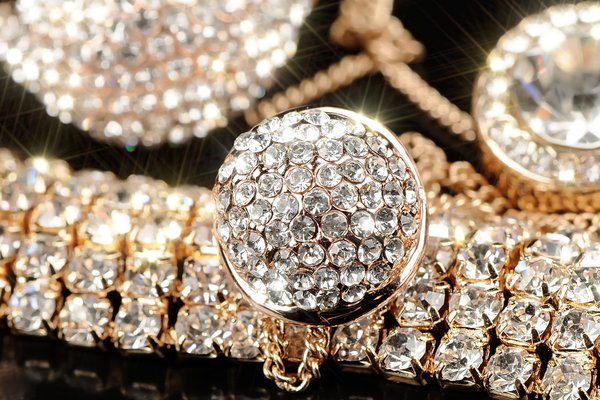 Cubic zirconia gems can withstand daily temperature changes and keep its integrity.
While not at level of diamond, CZ stone is a good heat insulant.
In this article, we delve into the fascinating realm of heat resistance and its importance in the world of jewelry.
Brace yourself as we explore the answers to the top questions about cubic zirconia, a widely popular diamond alternative.
Let’s dive in!
What is Cubic Zirconia?
Cubic zirconia (CZ) may not sound like something to get excited about, but let me tell you, this gemstone is a real game-changer in the world of jewelry.
Known for its remarkable resemblance to diamonds, cubic zirconia offers an affordable and stunning alternative that will make heads turn.
With its flawless clarity and dazzling brilliance, it’s no wonder why CZ has become a popular choice among jewelry enthusiasts.
But here’s the kicker: cubic zirconia isn’t just a mere diamond imitator; it holds some unique qualities of its own!
Unlike natural diamonds, CZ is lab-created, allowing for precise control over its quality and consistency.
This means you can expect uniform coloration throughout each stone and minimal flaws or inclusions.
Furthermore, cubic zirconia can be created in an array of vibrant colors as well as classic white—giving you endless options to play with when designing your jewelry collection.
While CZ may not possess the same intrinsic value as natural diamonds do, like hardness, it certainly stands on its own merits.
Its affordability combined with its undeniable beauty makes it an excellent choice for those who want to sparkle without breaking the bank.
So whether you’re looking for a jaw-dropping engagement ring or a show-stopping pendant necklace that catches the light from every angle, don’t overlook the incredible allure of cubic zirconia—it could be your ticket to affordable luxury!
Melting Point of Cubic Zirconia
Melting Point of Cubic Zirconia: In the realm of jewelry materials, the melting point holds a significant place as it determines a gemstone’s resilience to heat.
When it comes to CZ, its exceptional thermodynamic properties shine through.
This remarkable synthetic gemstone boasts a melting point of approximately 2750 degrees Celsius (4982 degrees Fahrenheit), placing it among the most heat-resistant materials utilized in jewelry production.
Diamond’s melting is about 45% higher than CZ’s at 4000 degrees Celsius (7232 degrees Fahrenheit).
As the flames dance and temperatures soar, cubic zirconia stands firm, impervious to the scorching forces that would reduce lesser substances to mere puddles.
Its high melting point not only ensures its stability during jewelry manufacturing processes but also signifies its ability to withstand everyday wear and tear without losing its lustrous beauty.
Imagine adorning oneself with a radiant cubic zirconia necklace or an exquisite pair of earrings, each piece resiliently enduring even the most intense encounters with heat.
With cubic zirconia’s elevated melting point as an ally, one can embrace confidence in knowing that their treasured jewelry will remain unyielding against life’s fiery trials.
Heat Resistance of Cubic Zirconia
In the realm of jewelry applications, cubic zirconia emerges as an exquisite gemstone that not only captivates with its dazzling brilliance but also stands resilient against the test of heat.
With a remarkably high melting point, this synthetic diamond substitute exhibits an exceptional ability to withstand extreme temperatures without compromising its structural integrity.
When exposed to intense heat sources, such as torch flames or kilns, cubic zirconia demonstrates its mettle by remaining steadfast and retaining its lustrous allure.
Unlike many other gemstones that may crack, shatter, or undergo color alteration under extreme thermal conditions, cubic zirconia holds firm and maintains its vibrant sparkle.
This remarkable quality makes it a favored choice for jewelry designers who seek durability and longevity without sacrificing aesthetic appeal.
In conclusion, the exceptional heat resistance exhibited by cubic zirconia sets it apart from other gemstones in the realm of jewelry applications. Its ability to endure extreme temperatures while retaining both beauty and structural integrity is truly remarkable.
With this thermodynamic prowess, cubic zirconia offers jewelry enthusiasts a magnificent combination of elegance and endurance that will surely dazzle for generations to come.
Can Cubic Zirconia Get to High Temperatures?
CZ can endure high temperatures without a problem.
Yet, when its has inclusions and cracks, heat can be detrimental.
Regular checks and maintenance is the key for a long lifetime for any gemstone jewelry.
Does Cubic Zirconia Get Cloudy?
Cubic zirconia has gained popularity as a fantastic alternative to diamonds because it looks remarkably similar while being more affordable.
However, there is a common concern among people who own cubic zirconia jewelry – can it lose its clarity over time?
Unlike diamonds, cubic zirconia is not as durable and can dull or lose its sparkle.
CZ stones are not as tough and scratch-resistant as diamonds, making them more prone to getting scratched.
While it doesn’t naturally change color, cubic zirconia can easily gather dirt, oils, and other residues from everyday wear, which can make it look cloudy.
So, if you want to keep your cubic zirconia jewelry looking its best, it’s important to keep it clean and avoid any potential damage.
Can Cubic Zirconia Cut Glass?
CZ can scratch any objects that is softer.
As glass’s 5 to 6 rating on the Mohs scale is less than CZ’s 8.
Thus, it can scratch and cut glass depending on its thickness.
How to Care and Maintain Zirconia Jewelry
Whether you own zirconia rings, earrings, or necklaces, proper care and maintenance are essential to keep them looking their best.
Firstly, always remove your zirconia jewelry before engaging in any physical activities or coming into contact with harsh chemicals, as they can damage the stones.
Additionally, avoid exposing your zirconia pieces to extreme temperature changes to prevent any potential cracking.
To clean your zirconia jewelry, gently scrub them with a soft toothbrush and soapy water, then rinse thoroughly and pat dry with a clean cloth.
Avoid using harsh chemicals or ultrasonic cleaners as these can cause irreparable damage to the stones.
Lastly, store your zirconia pieces separately in a fabric-lined jewelry box or pouch to prevent scratching.
By following these simple care tips, you can enjoy the beauty and sparkle of your zirconia jewelry for years to come.
Other Diamond Simulants
1. Moissanite
Moissanite, a gemstone gaining prominence in the jewelry industry, is a lab-created marvel known for its exceptional brilliance and durability.
Initially discovered by a French scientist named Henri Moissan in 1893, this gemstone is now produced through advanced technology, mimicking the natural process that occurs in the depths of the Earth’s crust.
What sets moissanite apart from other gemstones is its remarkable fire and sparkle, captivating the hearts of jewelry enthusiasts.
With a refraction index higher than that of a diamond, moissanite outshines most gemstones and catches the eye with its mesmerizing display of color.
This makes it a popular alternative to traditional diamond jewelry, offering a similar brilliance at a fraction of the cost.
For those seeking a stunning and sustainable alternative to traditional gemstones, moissanite offers a magnificent option.
Its enchanting sparkle and impeccable durability make it an ideal choice for engagement rings, earrings, and other fine jewelry, allowing you to shine responsibly and beautifully.
2. White Sapphire
White sapphire is a stunning gemstone that has captivated jewelry lovers with its exquisite beauty and remarkable brilliance.
While often compared to diamonds, white sapphire has its own unique charm that sets it apart.
This gemstone is a variety of the mineral corundum, which is also the same mineral that forms rubies.
However, instead of the deep red hue characteristic of rubies, white sapphire displays a brilliant, colorless or near-colorless appearance that resembles the pristine beauty of a diamond.
One of the most alluring aspects of white sapphire is its exceptional hardness.
Ranking 9 on the Mohs scale, it is just slightly below diamonds in terms of hardness.
This makes white sapphire an ideal choice for jewelry pieces that are meant to withstand everyday wear and tear.
3. Swarovski Crystals
Swarovski crystals are renowned for their exquisite brilliance and unparalleled quality.
These shimmering gems are actually a unique form of high-precision glass that is carefully cut and polished to resemble a natural gemstone.
The process of creating Swarovski crystals involves utilizing a combination of quartz sand and other minerals to produce a glass that has a refractive index close to that of a diamond.
This ensures that the crystals possess an extraordinary level of sparkle, capturing and reflecting light in a dazzling manner.
Swarovski crystals can be found adorning a wide range of products, from jewelry and accessories to home decor and clothing.
Their versatility and timeless appeal have made them a favorite among designers and consumers alike.
Whether you’re looking to add some glamour to your outfit or enhance the beauty of your living space, Swarovski crystals are sure to deliver a touch of elegance and sophistication.