
We are an affiliate
We hope you love the featured products! Just so you know, we may collect a share of sales or other compensation from the links on this page, at no extra cost for the buyer. Thank you if you use our links, we really appreciate it!
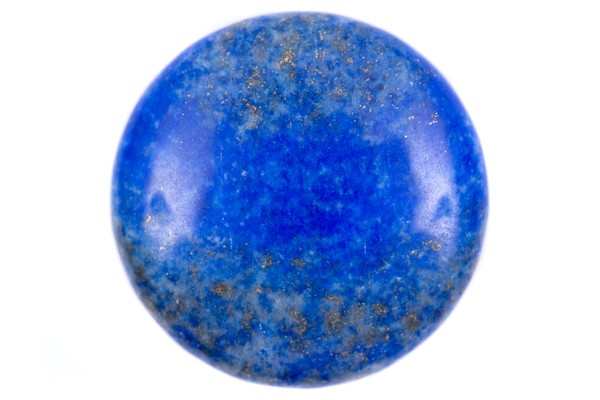 Sodalite should not go in water.
Although a few drops here and there won’t detoriate your treasure, water can seriously open doors to serious damage.
In this post, we share potentials risks and tips for a longer lifespan of your sodalite jewelry.
What is Sodalite?
Sodalite is a tectosilicate mineral that is typically blue in color and is often used as a decorative stone in jewelry and carvings.
It is known for its rich royal blue color and is often mistaken for lapis lazuli.
Sodalite is also used for its metaphysical properties, believed to promote intuition, self-expression, and mental clarity.
Physical Properties of Sodalite
Sodalite is a relatively hard mineral with a Mohs hardness scale rating of 5.5 to 6.
It has a vitreous luster and is commonly found in massive form.
Its vibrant blue hue, often streaked with white veins or patches, makes it a sought-after gemstone in the world of jewelry.
One of sodalite’s distinguishing features is its ability to fluoresce under ultraviolet light, emitting a vibrant orange glow.
This optical phenomenon, known as tenebrescence, sets sodalite apart from other minerals and adds to its allure.
In addition to being an ornamental stone, sodalite is also used in the creation of various decorative items and sculptures due to its attractive color and ease of carving.
Chemical Composition of Sodalite
Classified as a member of the feldspathoid group of minerals, sodalite is primarily composed of sodium, aluminum, silicon, and oxygen.
In addition to the primary elements, sodalite can also contain minor impurities or substitutions.
Chlorine (Cl) is often found in small amounts within the sodalite crystal structure, affecting its physical and chemical properties.
These impurities and substitutions can influence the color and overall appearance of sodalite, resulting in variations such as white, gray, or greenish hues.
Sodalite is often found associated with other minerals such as quartz and calcite.
Sodalite’s Water Susceptibility Explained
Sodalite can go in water, but its susceptibility to water stems from its potential to dissolve in water over time.
While it can withstand short exposure to water, prolonged contact with water can lead to its deterioration.
Factors Affecting Sodalite’s Reaction to Water
1. Cracks Elevate Risk
Cracked or damaged sodalite is more susceptible to water damage.
Cracks can provide pathways for water to penetrate and potentially dissolve the mineral.
This can lead to the deterioration of the sodalite, causing it to become weaker and more prone to further damage.
It is important to take care when handling sodalite to avoid causing any damage that could compromise its integrity.
If sodalite does become damaged, it is best to seek professional help to assess the extent of the damage and determine the best course of action to prevent further deterioration.
Proper maintenance and care can help prolong the life of sodalite and keep it looking its best for years to come.
2. Avoid Hot Water
Exposing sodalite to hot water can increase its reactivity and risk of damage.
It is best to avoid soaking sodalite in hot water.
Instead, it is recommended to clean sodalite with a gentle cleanser and lukewarm water – if necessary- , and to dry it thoroughly with a soft cloth.
This will help to preserve the integrity of the stone and prevent any potential damage.
If you want to use sodalite in water, it is safer to use it in room temperature or cool water rather than hot water.
Always handle sodalite with care to ensure its longevity and beauty.
3. Chemical Agents Can Cause Damage
Chemical agents present in water, such as chlorine or salt, can be harmful to sodalite.
Avoid exposing sodalite to water with high chemical content.
Some chemicals present in water, such as chlorine or salt, can react with sodalite and cause damage to the mineral.
Chlorine, for example, can cause discoloration or even break down the structure of sodalite over time.
Similarly, salt can also react with sodalite and cause damage to its surface.
To prevent harm to sodalite, it is recommended to avoid exposing it to water with high chemical content, such as swimming pool water or sea water.
If sodalite does come into contact with such water, it should be promptly rinsed with clean water and thoroughly dried to prevent any potential damage.
4. Avoid High Adrenaline Outdoor Activities
Engaging in high adrenaline outdoor activities, such as swimming or water sports, while wearing sodalite jewelry should be avoided to prevent prolonged exposure to sweat, water and potential damage to the mineral.
Sodalite is a delicate stone that can be damaged by prolonged exposure to water or moisture.
It’s best to remove sodalite jewelry before participating in water activities.
Keep it away from prolonged exposure to water to maintain its integrity and beauty.
How to Store Sodalite Jewelry
Here are a few essential tips on how to store sodalite jewelry effectively.
Firstly, it’s crucial to keep sodalite jewelry away from direct sunlight or any intense heat sources.
Prolonged exposure to these elements can cause the stone to fade or lose its vibrant color.
Therefore, it is best to store sodalite jewelry in a cool and dry place, preferably in a jewelry box or a fabric-lined case.
This will provide protection against scratches, moisture, and dust particles.Secondly, avoid storing sodalite jewelry with other pieces that may potentially scratch or damage the stone.
It is advisable to separate each piece by placing them in individual jewelry pouches or wrapping them in a soft cloth.
Additionally, refrain from using plastic bags or containers, as they can promote moisture accumulation.
Lastly, to maintain the shine and luster of sodalite, periodically clean the jewelry using a soft, lint-free cloth.
Avoid using harsh chemicals or abrasive cleansers, as they can negatively affect the stone.
Instead, opt for a mild jewelry cleaner specifically formulated for gemstones.
After cleaning, ensure that the jewelry is completely dry before storing it away.
By following these guidelines, you can preserve the beauty and longevity of your sodalite jewelry, allowing you to enjoy its captivating allure for years to come.