
We are an affiliate
We hope you love the featured products! Just so you know, we may collect a share of sales or other compensation from the links on this page, at no extra cost for the buyer. Thank you if you use our links, we really appreciate it!
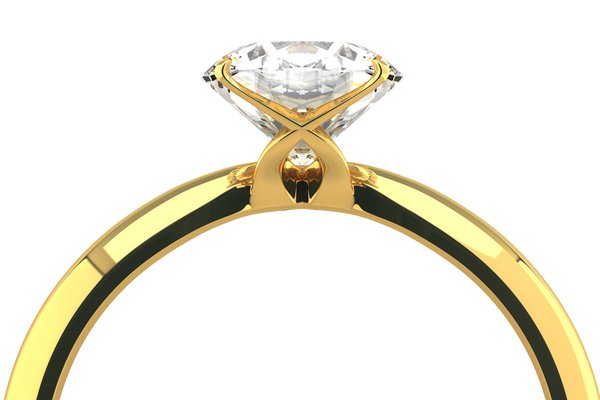
Cubic zirconia does not turn your finger green.
However, the metal part can tarnish and cause discoloring.
This is not due to the gemstone but the interaction of humidity, sweat and the metal.
Now, let’s take a closer look at this brilliant gem and its properties.
What is Cubic Zirconia?
Cubic zirconia, often abbreviated as CZ, is a popular diamond simulant which comes at a fraction of the price.
It is not a diamond variety.
It has a crystal structure made of zirconium dioxide, whereas diamond is made of carbon atoms.
Its deposits are rarely found in the Earth’s crust but thankfully scientist have developed methods to produce it in the lab.
As a consquence we are able to produce cubic zirconia gems to perfection in a controlled environment.
These have no inclusions or impurities.
Thus, practically all CZ jewelry you’ll encounter is made of man-made gemstones.
It gets a 8.0-8.5 rating on the Mohs scale of mineral hardness where diamond receive a 10.
Can Cubic Zirconia Turn Your Skin Green?
Cubic zirconia does not turn your skin green.
It is a gemstone not a metal.
But, the jewelry metal used in the piece can cause discoloration.
Say, you are wearing a sterling silver bracelet with cubic zirconia gems, as sterling may tarnish it may cause a darkish green color around your wrist.
What is Tarnish? Does Cubic Zirconia Tarnish?
Tarnish is a thin dark layer that forms on the surface of metals such as silver, brass, copper, and bronze.
It is primarily caused by a chemical reaction between the metal and sulfur compounds present in the air, water, or other substances.
CZ is not a metal but a gemstone: it does not tarnish.
Tarnish can also be accelerated by exposure to certain chemicals, such as those found in cosmetic and cleaning products, or by contact with certain materials, such as rubber or wool.
When a metal gets tarnished it gets a dull appearance.
It causes the metal to lose its shine and become less reflective.
Thankfully, tarnish only occurs on the surface and does not penetrate the metal.
Tarnishing is a self-limiting process: once it is formed, it stops and does not continue inwards the metal structure.
However, if left untreated, tarnish can continue to build up, making it more difficult to remove.
To remove tarnish and restore the metal’s original appearance, various cleaning methods can be used.
These may involve the use of commercial tarnish removers, homemade solutions using common household items such as baking soda or lemon juice, or gentle polishing with a soft cloth.
Regular cleaning and proper storage can help prevent tarnish from forming and keep metals looking their best.
How Can Cubic Zirconia Jewelry Turn Your Skin Green?
Wearing cheap low-quality cubic zirconia pieces, particularly those set in brass or copper, can cause your skin to turn green.
The reason behind this is the metal’s reaction with the acids in your skin as explained above.
Over time, the metal may leave dark green marks which have nothing to worry about.
Tips To Prevent Skin Discoloring
1. Prefer Quality Jewelry
One of the main causes of skin discoloration is wearing low-quality cubic zirconia jewelry.
To avoid this, invest in high-quality cubic zirconia pieces that are set in materials like rhodium plated white gold, platinum or palladium.
If that’s not enough, you can go the extra mile and pick argentium silver which offers better tarnish-resistance and luster than 925 silver.
2. Avoid Humidity
Moisture can accelerate the oxidation process, leading to tarnish and potential skin discoloration.
Make sure to remove your cubic zirconia jewelry before swimming or taking a shower to prevent prolonged exposure to water.
Water is not your jewelry’s friend especially if it contains chemical agents like chlorine, shampoos, cleaning solutions etc.
Avoid them and don’t let your jewelry rest wet.
During exercise, your body produces sweat which can also contribute to skin discoloration.
It is best to remove your cubic zirconia jewelry before engaging in any physical activity like high adrenaline outdoor sports, garden work and house cleaning.
3. Put Jewelry After Makeup
When getting dressed, make sure to put on your cubic zirconia jewelry as the last step.
This will reduce exposure to lotions, perfumes, and other beauty products, which facilitate tarnishing, and discoloration.
4. Care & Maintenance
Maintaining the luster of your cubic zirconia jewelry is a simple but important task.
Clean it regularly using a soft cloth and soapy water, and polish it with a jewelry polishing cloth to keep it looking its best.
Always make sure it gets dried completely afterwards.
Keep your jewelry in small soft pouches or ziplock bags and then place them in your jewelry box.
Never throw your pieces in the same compartment as this will lead to clashes, friction and scratches.
Avoid wearing it while sleeping to prevent any accidental damage.
The Verdict: Does CZ Turn Green?
In summary, while low-priced cubic zirconia jewelry, especially those set in brass or copper, can turn your skin green, high-quality cubic zirconia set in high purity metals like platinum or palladium is less likely to cause skin discoloration.
By taking proper care of your cubic zirconia jewelry, you can ensure its longevity and prevent any unwanted effects on your skin.
Remember to invest in genuine cubic zirconia from reputable sources.