
We are an affiliate
We hope you love the featured products! Just so you know, we may collect a share of sales or other compensation from the links on this page, at no extra cost for the buyer. Thank you if you use our links, we really appreciate it!
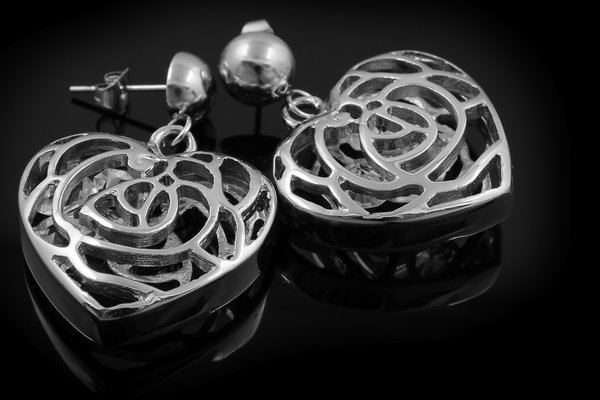 Stainless steel jewelry has gained immense popularity in recent years.
It is known for its durability, affordability, and versatility.
However, a common concern among people is whether stainless steel jewelry can turn their skin green.
In this article, we will explore the reasons behind this phenomenon and provide tips on how to avoid skin discoloration when wearing stainless steel jewelry.
What is stainless steel?
Stainless steel is a type of metal alloy that is highly resistant to corrosion and staining.
It is composed of iron, chromium, and varying amounts of other elements such as nickel, manganese, and molybdenum.
This combination of metals gives stainless steel its strength and durability, making it an ideal material for various applications, including jewelry.
Understanding the composition of stainless steel
Stainless steel typically contains at least 10.5% chromium, which forms a protective layer on the surface of the metal, preventing it from rusting or tarnishing.
The addition of other elements in different proportions helps enhance its properties, such as resistance to heat, chemicals, and wear.
Why is stainless steel popular in jewelry?
Stainless steel jewelry has become increasingly popular due to its many advantages.
It is highly durable, resistant to scratching and tarnishing.
Stainless steel is immune from coating issues. Many jewelry metals are covered with a thin layer of other metal that protects the core and enhances the appearance. Steel pieces do not need such an extra overlay.
It requires minimal maintenance and when it needs cleaning simple household products are always a solution.
Moreover, there are stainless steel alloys that are hypoallergenic for most individuals, making these suitable for people with sensitive skin or allergies to certain metals.
Is stainless steel hypoallergenic?
While stainless steel is generally considered hypoallergenic, certain individuals may still have an allergic reaction to it, particularly if they are sensitive to nickel.
Nickel is commonly used in jewelry alloys. Some people can develop a skin reaction when it comes into contact with their skin.
But there is a good solution if you prefer steel jewelry.
There are many different steel alloys formulated for different purposes.
In jewelry, we’d like to see safe versions that are less likely to interact with the skin.
One such alloy is 316L type stainless steel.
This steel is surgical grade and used to manufacture surgery equipment.
It is hypoallergenic and ideal for jewelry.
Prefer high quality steel for your jewelry to err on the safe side and avoid any skin irritation.
Why does stainless steel jewelry sometimes turn your skin green?
The primary reason why stainless steel jewelry may cause green skin is the presence of nickel in the alloy.
Nickel can react with the acids in your skin, resulting in a green coloration.
However, it is important to note that not all stainless steel jewelry contains high levels of nickel.
High-quality stainless steel jewelry is often made with low nickel content or is nickel-free, significantly reducing the risk of skin discoloration.
The presence of nickel in stainless steel
Nickel is commonly used in stainless steel alloys to improve its strength and resistance to corrosion.
However, nickel can sometimes cause an allergic reaction in people with sensitive skin.
Sweat contains acids that can react with certain metals, causing a color change.
When sweat interacts with stainless steel jewelry containing nickel, it can result in a green stain on the skin.
This reaction is more common in areas where the skin is thinner, such as the fingers or neck.
How does tarnishing in a stainless steel ring cause green skin?
In some cases where low quality steel is used, the green discoloration of the skin may be caused by tarnishing in a stainless steel ring.
Tarnishing occurs when the surface of the metal reacts with oxygen or other chemicals, resulting in the formation of a thin green-black layer.
This can sometimes pass onto the skin and causing it to turn green.
How to avoid green skin from stainless steel jewelry?
If you are prone to skin discoloration or have allergies to certain metals, there are several precautions you can take to prevent green skin when wearing stainless steel jewelry.
Choosing stainless steel with low nickel content
When purchasing stainless steel jewelry, opt for pieces that are advertised as nickel-free or have low nickel content.
This reduces the chances of an allergic reaction or skin discoloration.
High-quality stainless steel jewelry is often made with hypoallergenic alloys like 316L type surgical grade steel that are considered safe for people with sensitive skin.
Wearing stainless steel jewelry for short periods
If you notice skin discoloration when wearing stainless steel jewelry, try wearing it for shorter periods or alternating it with other pieces.
This gives your skin a break from prolonged contact with the metal and allows it to recover.
Keeping your skin dry when wearing steel pieces
Moisture can often enhance the chemical reaction between your skin and stainless steel jewelry.
To minimize the risk of skin discoloration, make sure to keep your skin dry when wearing stainless steel.
Avoid wearing jewelry immediately after showering or swimming, and always dry your skin thoroughly before putting on any jewelry.
Is stainless steel the only metal that can turn your skin green?
No, stainless steel is not the only metal that can turn your skin green.
Other metals, such as brass, bronze, silver or gold, can also cause skin discoloration under certain circumstances.
The role of other metals like silver or gold
Silver and gold are precious metals commonly used in jewelry.
While pure silver and gold are unlikely to cause skin discoloration, they are often mixed with other metals to create alloys.
For example, sterling silver is an alloy that contains 92.5% silver and 7.5% other metals, usually copper.
It is the copper content in sterling silver that can react with the acids in your skin and turn it green.
The same goes for 10k or 14k gold which has other metals in their mix like copper.
Understanding the reaction of jewelry metals with skin
The reaction of jewelry metals with skin can vary from person to person.
Different individuals have different levels of acidity in their sweat and oils, which can affect the chemical reaction with metals.
Some people may experience skin discoloration when wearing certain jewelry metals, while others may have no reaction at all.
Why does sterling silver sometimes turn your finger green?
Sterling silver does tarnish.
Tarnish is a dark layer that forms on the surface of certain metals, such as silver or brass, due to oxidation or exposure to air and moisture.
It can give the jewelry a dull or discolored appearance.
When this green-blackish layer gets transferred to your skin with friction, you may observe your skin turning green.
This is more likely to occur in areas where the metal is in direct contact with the skin for an extended period, such as rings worn on the fingers.
Tarnish can be removed through cleaning and polishing methods, restoring the shine and brightness of the metal.
Tips for wearing stainless steel jewelry without causing skin discoloration
If you love wearing stainless steel jewelry but want to avoid any potential skin discoloration, here are some tips to keep in mind:
Proper cleaning and maintenance of stainless steel jewelry
Regularly clean your stainless steel jewelry using a mild soap and warm water solution.
Gently scrub the jewelry with a soft cloth, rinse it thoroughly, and pat it dry.
Avoid using harsh chemicals or abrasive materials that can damage the surface of the metal.
Being aware of allergies and sensitive skin conditions
If you have a known allergy to certain metals or have sensitive skin, it is essential to be cautious when selecting jewelry.
Consider opting for hypoallergenic metals or consulting a dermatologist for personalized recommendations.
Preventing chemical reactions that can affect skin color
Minimize your skin’s exposure to harsh chemicals and substances that can accelerate skin discoloration.
Avoid applying lotions, perfumes, or other skincare products directly onto the areas where you wear your stainless steel jewelry.
In conclusion, stainless steel jewelry is generally safe to wear and does not usually cause skin discoloration.
By choosing high-quality stainless steel jewelry with low nickel content, taking proper care of your jewelry, and being aware of your skin’s reactions, you can enjoy wearing stainless steel jewelry without any concerns about turning your skin green.