
We are an affiliate
We hope you love the featured products! Just so you know, we may collect a share of sales or other compensation from the links on this page, at no extra cost for the buyer. Thank you if you use our links, we really appreciate it!
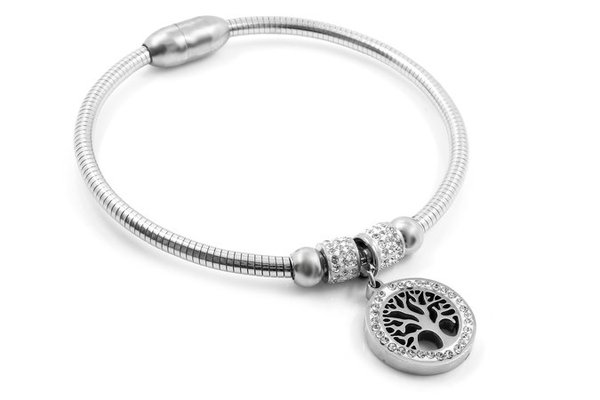 Stainless steel jewelry has become increasingly popular in recent years.
Its sleek and modern aesthetic, coupled with its durability and affordability, has made it a preferred choice for many individuals.
One question that often arises is whether stainless steel jewelry can get wet.
In this article, we will explore the properties of stainless steel jewelry, its resistance to tarnish and rust, and the precautions to take when wearing it in wet conditions.
Advantages of Stainless Steel Jewelry
+ High Durability and Strength
Stainless steel is known for its exceptional durability and strength.
It is a sturdy material that can withstand everyday wear and tear without losing its shine or shape.
This makes it an excellent choice for jewelry that is intended to be worn frequently.
+ Resistance to Tarnish
One of the key advantages of stainless steel jewelry is its resistance to tarnish.
Unlike other metals like silver or brass, stainless steel does not easily oxidize when exposed to air or moisture.
Your steel pieces are unlikely to turn your skin green.
This means that your stainless steel jewelry will maintain its lustrous appearance for a long time.
+ Affordable Option
In addition to its durability and tarnish resistance, stainless steel jewelry is also highly affordable compared to gold, palladium or other precious metals.
This makes it accessible to a wide range of buyers who are looking for stylish and durable jewelry without breaking the bank.
Can You Shower with Stainless Steel Jewelry?
The answer is generally yes, you can shower with your stainless steel pieces.
Water is not a direct threat to quality steel pieces like 316L type stainless steel.
This alloy is surgical grade material that is used to produce surgery equipment.
It is hypoallergenic thus considered safe for people with sensitive skin.
Also, it does not react to water.
However, there are factors to consider and precautions to take to ensure the longevity of your jewelry.
Potential Tarnishing
While stainless steel jewelry is highly resistant to tarnish, prolonged exposure to soaps, shampoo, conditioners, and other shower products can potentially affect its shine over time.
So, it is not the water that create the problem but the chemicals that come within.
The chemicals present in these products may leave a residue on your jewelry, causing it to lose some of its luster.
Especially acids and chlorine will not play well with your jewelry. Avoid low pH chemicals and high chlorinated water exposure like swimming pools.
Therefore, it is advisable to remove your jewelry before showering if you want to minimize any possible tarnishing.
Factors to Consider
Despite the potential for tarnishing, many individuals choose to wear their stainless steel jewelry in the shower without any issues.
The decision depends on various factors, including the grade of stainless steel used in the jewelry, the quality of the protective coating (if any), and how frequently you wear your stainless steel pieces.
Higher-grade stainless steel, such as 316L stainless steel, is often preferred for jewelry as it offers enhanced corrosion resistance.
Preventive Measures
If you decide to wear your stainless steel jewelry in the shower, there are preventive measures you can take to minimize the impact of water exposure.
After showering, make sure to thoroughly dry your jewelry using a soft cloth to remove any excess moisture.
This will help prevent water spots and potential tarnishing.
Is Stainless Steel Jewelry Waterproof?
While stainless steel jewelry is highly resistant to tarnish and can be worn in wet conditions, it is not completely waterproof.
The level of water resistance varies depending on factors such as the level of exposure, the chemicals in the water and the grade of stainless steel used.
Understanding Water Resistance Levels
Water resistance in stainless steel jewelry is often categorized into different levels.
Some jewelry may be labeled as “water-resistant” or “splash-resistant,” indicating that it can withstand minimal water exposure, such as light rain or handwashing.
However, it is important to note that even water-resistant jewelry should be removed before swimming or diving, as prolonged exposure to chlorinated water or saltwater can damage the jewelry.
Recommended Precautions
To ensure the longevity of your stainless steel jewelry, it is advisable to remove it before activities involving prolonged water exposure, such as swimming, bathing in hot tubs, or participating in water sports.
This will minimize the risk of any potential damage caused by chemical substances or harsh water conditions.
Impact of Different Water Conditions
It is also worth considering the impact of different water conditions on stainless steel jewelry.
For example, exposure to saltwater or highly chlorinated water can accelerate the tarnishing process and potentially affect the overall appearance of your jewelry.
Therefore, if you are planning a beach vacation or spending time in a swimming pool, it is best to remove your stainless steel jewelry to preserve its shine and quality.
Can Stainless Steel Jewelry Rust?
Rust is a natural phenomenon that occurs when iron reacts with air, water and certain chemicals.
It’s often seen as the reddish-brown crust that forms on the surface of ferrous materials, leaving behind a tell-tale color that most people associate with decay and neglect.
The process of rust formation starts with the oxidation of iron.
As iron interacts with oxygen in the air and combines with water, it forms iron oxide, commonly known as rust.
This transformation not only alters the physical appearance of iron but also compromises its structural integrity over time if left untreated.
Stainless steel jewelry is highly resistant to rust, which is one of its significant advantages.
Unlike metals like iron or some steel alloys, stainless steel contains chromium, which forms a protective layer on the surface, preventing oxidation.
This means that your stainless steel jewelry will not easily rust even when exposed to water or humid conditions.
Possible Causes of Rusting
While stainless steel is generally rust-resistant, there are instances where rusting can occur.
This usually happens when the protective layer of chromium is compromised, either due to prolonged exposure to harsh chemicals or scratches on the surface of the jewelry.
Preventing Rust Formation
To prevent rust formation, it is essential to take proper care of your stainless steel jewelry.
Avoid exposing it to harsh chemicals, such as bleach or cleaning agents, as they can damage the protective layer and potentially lead to rusting.
Additionally, make sure to keep your jewelry dry and store it in a clean and dry place when not in use.
Does stainless steel jewelry tarnish?
Tarnish is the name of black spots that form on the surface of some metals.
These spots form a dark layer that takes away luster.
This is the result of a chemical reaction between the metal and the oxygen and airborne sulfur compounds.
Silver jewelry is more prone to tarnish and becoming black.
Stainless steel jewelry has high tarnish resistance.
Unlike some metals, such as sterling silver or brass, it does not easily tarnish or corrode.
This is because it is made up of an alloy of iron, chromium, and other elements that provide its strength and durability.
While stainless steel jewelry is less likely to tarnish compared to other metals, it is not entirely immune to the effects of wear and tear.
Exposure to water with chemicals can cause stainless steel to lose its luster over time.
In particular, chlorine found in swimming pools or cleaning agents can react with this metal.
Possible reactions may lead to discoloration and even black spots on the surface of the jewelry.
To prevent tarnishing, simple care measures will suffice.
Avoid wearing them while swimming or coming into contact with harsh chemicals.
Therefore, it is recommended to remove stainless steel jewelry before swimming, showering, garden work or engaging in activities that involve contact with chemicals or abrasive substances.
Keeping your pieces away from humidity and drying them when they get wet under the rain or while hand washing, are good habits that will pay off with luster and a longer life time.
Cleaning your stainless steel jewelry regularly will keep them looking beautiful and shiny for a long time.
How to Take Care of Your Stainless Steel Jewelry?
Taking care of your stainless steel jewelry is relatively simple and can significantly prolong its lifespan. Here are some recommended care tips:
Regular Cleaning Routine
Regularly clean your stainless steel jewelry using mild soap and warm water.
Gently scrub the jewelry with a soft-bristled toothbrush to remove any dirt or residue.
Rinse it thoroughly and dry it with a soft cloth to avoid water spots or potential tarnishing.
Proper Storage
When not wearing your stainless steel jewelry, store it in a clean and dry place away from direct sunlight and other jewelry pieces.
Use soft pouches or ziplock bags. These will prevent airflow and possible clashes that may lead to scratches and other damages.
These simple measures will prevent scratches, minimize the risk of other physical harm and exposure to moisture or chemical substances.
Avoiding Harsh Chemicals
Avoid exposing your stainless steel jewelry to harsh chemicals, including bleach, ammonia, or acidic substances.
These chemicals can damage the protective layer and potentially lead to tarnishing or rusting.
If your jewelry comes into contact with any of these substances, make sure to clean it thoroughly as soon as possible.
By following these simple care tips, your stainless steel jewelry will remain in excellent condition and continue to enhance your style for a long time.
The Verdict
Stainless steel jewelry has many pros and cons.
But, one crucial point for choosing jewelry is preferring 304L or 316L type stainless steel.
As long as you don’t make any mistake at this stage, you are mostly good to go.
By showing minimal attention to storage, avoiding abrasives and other chemicals with occasional cleaning, you can be sure that your pieces will serve for a long long time.