
We are an affiliate
We hope you love the featured products! Just so you know, we may collect a share of sales or other compensation from the links on this page, at no extra cost for the buyer. Thank you if you use our links, we really appreciate it!
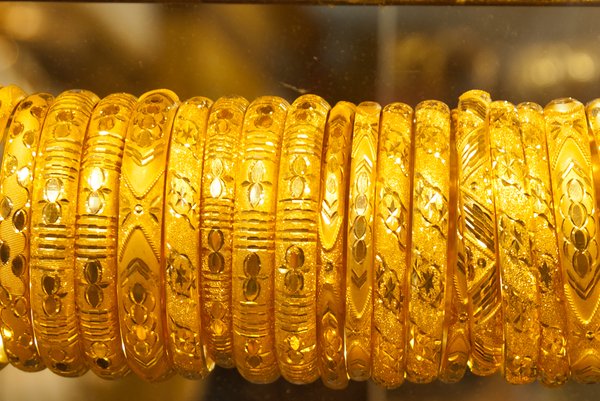 While 14 karat gold contains a significant amount of pure gold, it is not entirely hypoallergenic.
Some individuals may still experience allergic reactions or skin irritations when wearing 14 karat gold jewelry.
This is because the other metals used in the alloy, such as silver or copper, can still trigger allergies in sensitive individuals.
Even trace amounts of allergens found in 14k gold pieces can initiate skin sensitivity.
In this article, we will explore the topic of which gold jewelry is hypoallergenic and provide some insights into other hypoallergenic metal options for jewelry.
What is gold?
Gold a precious malleable metal that has a rosy yellow color in its natural form.
It is the only precious metal that has a yellow color. The other 3 silver, platinum and palladium are all grayish white.
Gold is a highly valued metal due to its rarity and unique properties.
This metal can be easily shaped and manipulated without breaking.
This property allows gold to be formed into intricate designs for jewelry or even pounded into thin sheets, known as gold leaf, for decorative purposes.
Gold is also known for its resistance to corrosion and tarnish.
Unlike many other metals, gold does not rust or react with air or moisture, making it highly durable.
Thanks to these properties, it is even used as a tooth cap or replacement.
Due to its rarity and attractive properties, gold is considered a safe haven asset and is frequently used as a store of value.
It is the stable asset that finds place in every central bank’s balance sheet.
What is karat?
Karat is unit of gold purity.
It is the standard used in jewelry to indicate the proportion of gold in an item.
1 karat gold piece has 1-in-24 parts gold in its composition. In other words, this pieces of jewelry has 4.17% gold in its mix.
Pure gold is 24 karat or 24k. This is the highest karat value.
Unfortunately, it is considered too soft for jewelry. Therefore, it is often mixed with other metals to create alloys.
As the karat increases, the gold purity and the weight of gold used do increase.
The higher the karat, the greater the percentage of gold content in the piece.
For example, 18 karat gold is richer in gold than a 14k piece.
These 2 gold alloys have 75% and 58.3% gold purity respectively.
What does hypoallergenic jewelry mean?
When it comes to selecting jewelry, one important consideration for many people is whether or not the piece is hypoallergenic.
Hypoallergenic jewelry refers to pieces that are less likely to cause allergic reactions or skin irritations.
This is particularly important for those with sensitive skin or known metal allergies.
Many metals commonly used in jewelry, such as nickel, can cause skin irritations in some individuals.
Hypoallergenic jewelry seeks to minimize this risk by using alternative materials that play nice with the skin.
Common metal allergies related to jewelry
The nickel allergy and its impact on jewelry choices
One of the most common metal allergies related to jewelry is a nickel allergy.
Nickel is a metal that is often used as a base metal or in the plating of jewelry.
However, it can cause significant allergic reactions in some individuals.
These can be observed by skin irritations like discoloring, crashes, or even blisters.
It is crucial for those with a nickel allergy to avoid jewelry that contains nickel.
According to Cleveland Clinic, approximately 10% of individuals in the United States experience the effects of nickel allergy.
Unfortunately, there is currently no remedy for nickel allergy.
How to identify nickel-free jewelry
When selecting jewelry for individuals with a nickel allergy, it is important to look for pieces that are labeled as nickel-free.
Nickel-free jewelry is made using materials that do not contain any trace of nickel, reducing the risk of allergic reactions.
Do not hesitate to ask your seller about the nickel content of your piece.
Common metals used in hypoallergenic jewelry
There are several metals that are commonly used in hypoallergenic jewelry.
Another hypoallergenic metal option is platinum. It is a highly durable and corrosion-resistant metal, making it an excellent choice for jewelry that is hypoallergenic.
Titanium is also known for its hypoallergenic properties and is often used in jewelry, particularly for those with metal allergies.
Palladium is another metal that is frequently used as a hypoallergenic alternative to traditional metals.
Choosing hypoallergenic jewelry for sensitive skin
When selecting hypoallergenic jewelry for sensitive skin, it is important to consider the metal used in the piece.
Look for high purity metals such as platinum, titanium, or palladium, as these are often less likely to cause allergic reactions.
You can also prefer jewelry which has a hypoallergenic plating like rhodium plated white gold pieces.
Rhodium is a highly inert metal that has a beautiful luster.
This thin layer of rhodium will protect and add up to the looks of white gold pieces at the same time.
And, it is also a good idea to consult with a professional jeweler who can guide you in selecting the right hypoallergenic materials for your needs.
Alternative hypoallergenic metal options for jewelry
Platinum
Platinum is a popular hypoallergenic metal option for jewelry.
It is highly durable and corrosion-resistant, making it a great choice for those with sensitive skin.
Platinum jewelry is also known for its elegant and timeless appearance.
Check our article Platinum rings pros and cons for more.
Titanium
Titanium is another hypoallergenic metal that is often used in jewelry.
It is lightweight, durable, and resistant to corrosion, making it a suitable choice for individuals with metal allergies or sensitive skin.
Check our article Titanium rings pros and cons for more.
Palladium
Palladium is a metal that is frequently used as a hypoallergenic alternative to traditional metals.
It is a white metal that is similar in appearance to platinum and has hypoallergenic properties, making it a great option for those with metal allergies or sensitive skin.
Check our article Palladium rings pros and cons for more.
Argentium silver
Argentium silver can be seen as the superior, more advanced version of sterling silver.
While both materials contain over 90% silver, Argentium silver comes with a twist that changes the game.
Sterling silver is made of 92.5% silver and 7.5% base metals, mostly copper.
Argentium silver has 2 versions that have 93.5% and 96% silver. These are named Argentium 935 and Argentium 960, respectively.
These alloys include germanium which elevates the competition.
They offer high tarnish resistance in contrast to sterling.
Traditional sterling silver is prone to tarnishing, requiring frequent polishing to maintain its shine.
When omitted, a dark layer of oxides will cover up the surface.
While these black spots only appear on the surface and do not penetrate inwards, everyone would love to have their silver pieces shiny as day one.
Meet Argentium silver which provides high tarnish resistance, increased ductility and better thermal and electrical resistance.
This means that Argentium silver jewelry or items will retain their luster for longer periods, reducing the need for frequent maintenance.
Additionally, Argentium silver is known for its increased durability and strength compared to sterling silver.
It is harder and has a higher melting point, making it less likely to get scratched or damaged easily.
This results in jewelry or pieces made from Argentium silver being more resistant to wear and tear, ensuring their longevity.
Moreover, Argentium silver has hypoallergenic properties, making it an excellent choice for those with sensitive skin or allergies.
The absence of nickel in its composition reduces the risk of allergic reactions that some people may experience with traditional sterling silver.
Overall, Argentium silver offers advancements in tarnish resistance, durability and, hypoallergenic qualities.
These characteristics make it an attractive option for those seeking a more advanced and superior alternative to traditional sterling silver.
Check our article Argentium silver vs sterling silver for more.
Choosing the right hypoallergenic jewelry for yourself
Factors to consider when selecting hypoallergenic jewelry
When choosing hypoallergenic jewelry for yourself, there are several factors to consider.
Firstly, determine your metal allergies and avoid jewelry made from those metals.
Secondly, look for reputable brands or jewelers that specialize in hypoallergenic jewelry.
Thirdly, consider the style and design of the piece, ensuring it meets your personal preferences.
Lastly, pay attention to the quality of the materials used, as higher-quality hypoallergenic metals are less likely to cause irritations.