
We are an affiliate
We hope you love the featured products! Just so you know, we may collect a share of sales or other compensation from the links on this page, at no extra cost for the buyer. Thank you if you use our links, we really appreciate it!
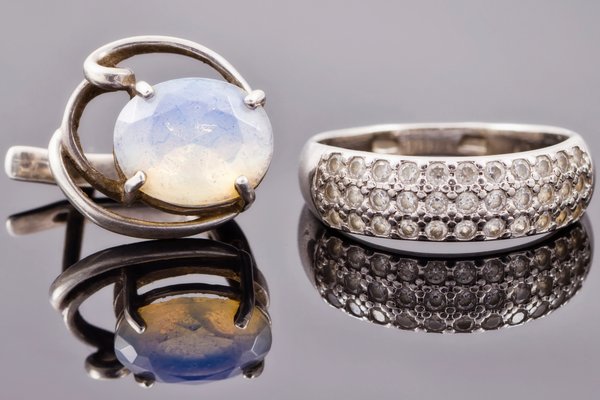 Sterling silver is a popular metal used in jewelry making due to its durability, affordability, and beautiful shine. However, people with sensitive skin often wonder if sterling silver is hypoallergenic.
The answer is yes, sterling silver is generally considered hypoallergenic. This is because it is made up of 92.5% pure silver and 7.5% other metals. This latter part is typically copper, which helps to strengthen the silver and elevates its durability.
The small amount of other metals used in the alloy does not typically cause allergic reactions. Thus, 925 silver is a safe choice for most people.
That being said, it is important to note that some people may still experience an allergic reaction to sterling silver jewelry. This is because some manufacturers may use other metals in the alloy, which triggers metal hypersensitivity.
In case of an unease, the main culprits are nickel and zinc. These metals can cause allergic reactions in some people who have metal sensitivity.
If you want to avoid allergies caused by jewelry, you need to take a few precautions.
Always make sure to check the sterling stamp on metal and carefully read product descriptions to be sure they don’t contain any allergenic materials.
And if you’re in doubt, don’t hesitate to ask the seller or manufacturer for more information about the jewelry piece’s composition.
Don’t let allergies ruin your style by showing necessary attention before the purchase.
These simple steps before making a purchase will help you pick a hypoallergenic option and enjoy your jewelry.
You may also like to consider an allergy test by a certified medical professional to learn any metal sensitivity that you might have.
What is 925 Sterling Silver?
Sterling silver is a popular metal used in jewelry making. It is an alloy made up of 92.5% pure silver and 7.5% other metals, typically copper.
Silver is made into an alloy because in its pure form, silver is too soft to be used in jewelry making. Therefore, the addition of other base metals is necessary to add strength and durability to the metal.
Sterling silver is also known as “925 silver” because it has 925 in thousand parts silver in its composition. This precious metal alloy must be at least 92.5% pure silver to be considered authentic.
The remaining 7.5% is made up of other metals, which can vary depending on the manufacturer. Common metals used in sterling silver alloys include copper, nickel, and zinc.
Sterling silver is a versatile metal that can be used to create a wide range of jewelry styles and dress colors.
Sterling earrings are a chic and safe choice for flights as they are very unlikely to trigger any metal detector at the airport.
It is also a popular choice for wedding bands and engagement rings due to its timeless elegance.
What Makes Sterling Silver Hypoallergenic?
The answer is not straightforward, as it depends on your specific allergies and the composition of the jewelry piece under consideration.
Sterling silver is made up of 92.5% pure silver, this is valid for every “real” sterling piece.
But, the remaining part of 7.5% may come from many different metals.
These are generally base metals like aluminum, iron, nickel, lead, zinc and copper.
If any of these metals exist in the mix of sterling, and you have sensitivity to that specific metal, you might experience skin allergy.
For example, it is estimated that more than 18% of North America is allergic to nickel.
Individuals with sensitive ears may experience allergic reactions such as blisters and redness on their ears while wearing a pair of sterling earrings that contain nickel. Check surgical stainless steel earrings for a similar shine with an affordable price tag.
If a sterling jewelry piece causes allergy, it is highly probable that it was triggered by nickel or zinc in the composition.
So, is there a good choice for manufacturers to help produce hypoallergenic jewelry?
Copper is the preferred and safe option for a hypoallergenic sterling piece.
Yet, this is not a rose without horns. The downside of copper is that it’s highly susceptible to tarnishing. This accelerates the oxidation process of sterling silver jewelry.
Nickel is a common allergen and should be avoided by those with known nickel allergies and every cautious buyer.
Note that, although very important, going nickel-free is not the cheat code to the paradise of safe jewelry.
Other metals, despite being less common allergens, can still cause allergic reactions in some individuals.
In conclusion, the hypoallergenic properties of sterling silver depend on the specific allergies of the individual and the composition of the item.
It’s important to be aware of the metals used in the jewelry you wear and to avoid those that you have hypersensitivity.
How to Care for Your Sterling Silver Jewelry
Sterling silver is a popular choice for jewelry because of its beauty and affordability. However, it requires proper care to keep it looking its best because it is soft and is prone to tarnish.
Here are some tips to keep your silver items in best shape:
1. Store your silver jewelry the right way
When you are not wearing your sterling silver jewelry, wet and dusty table tops with air circulation around won’t do any good.
You should keep your 925 sterling silver jewelry in a cool, dry place where they will be immune from physical and chemical harm.
First, put them in a soft pouch or zip-lock bag. Then, place them inside a safe or jewelry box.
You can also add a piece of anti-tarnish paper to help prevent tarnishing.
2. Clean your jewelry regularly
To keep your sterling silver jewelry looking at their best, it is important to do regular cleaning.
You can use a silver wipe or soft cloth to wipe away oil, dust and dirt.
Silver wipes that come handy when you have to get the shine back fast at the last minute.
For heavier tarnish, you can use a commercial silver polish.
A silver polishing cloth is a beneficial care equipment that you may want under your hand.
In any case, be sure to follow the manufacturer’s instructions carefully.
3. Avoid clashes and chemicals
Sterling silver jewelry is not fit your high adrenaline outdoor adventures!
This is soft metal can get scratched and damaged from the unexpected surprises of a tracking day in the wild or garden work in the weekend.
Chemicals are also not the friend of your shiny 925 silver pieces.
Exposure to harsh chemicals such as chlorine, bleach, and ammonia can take your jewelry beyond the point of no return.
Keep your sterling pieces for calmer days and fancy nights for a longer use.
Remove your silver before jumping into the swimming pool or sea.
While preparing, make sure your jewelry comes last, after any deodorants and perfumes.
4. Wear your silver jewelry
Surprisingly, wearing sterling silver jewelry can prevent tarnishing.
The natural oils in your skin aid in maintaining the shine and appearance of the silver.
Hence, don’t hesitate to wear your jewelry frequently!
By following these simple tips, you can keep your sterling silver jewelry looking bright and shiny for a long, long time.
Conclusion
At the bottom line, it is safe to say that 925 sterling silver is generally considered to be hypoallergenic.
However, some people with sensitive skin may still have an allergic reaction due to the other metals in the alloy, such as nickel and zinc.
For those with skin sensitivity, another option is to prefer higher purity silver pieces, such as Argentium silver jewelry.
This alloy can be seen as an upgraded version of sterling. It is richer in silver, offers higher tarnish-resistance and comes with superior hypoallergenic properties. It is much less likely to cause an allergic reaction.
A second alternative is rhodium-plated items. The outer layer of rhodium provides protection with a similar shine to silver. It prevents direct contact with the skin. Rhodium-plated silver pieces are hypoallergenic as long as the coating remains.
If your personal preference is sterling silver, make sure to properly care for your jewelry to prevent any potential irritation. This includes storing it in a dry, cool place, avoiding exposure to harsh chemicals and perfumes, and regularly cleaning it with a soft cloth.
Overall, while no one can guarantee zero risk with 925 sterling silver pieces. But, it is a popular and safe choice for most individuals.
Knowing your skin’s hypersensitivity properties and the composition of the jewelry piece is key to enjoying your bling safely.
Lastly, don’t forget: the better you take care of your jewelry, the better it will take care of you!