
We are an affiliate
We hope you love the featured products! Just so you know, we may collect a share of sales or other compensation from the links on this page, at no extra cost for the buyer. Thank you if you use our links, we really appreciate it!
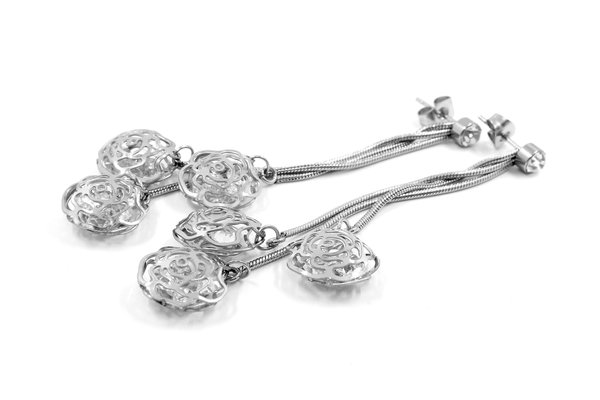 If you’re looking for earrings that looks cool and are safe for sensitive skin, steel is clear option.
 You’ve probably come across surgical steel and stainless steel type jewelry.
First, as with silver vs sterling silver, they are not the same.
There are differences that you need to be aware of before making a choice.
In this article, we’ll compare the pros and cons of surgical steel vs stainless steel earrings and help you make an informed decision.
What is the Difference Between Surgical Steel and Stainless Steel Earrings?
What is Stainless Steel?
Stainless steel is a type of steel alloy that is used in a wide range of applications due to its durability, strength, and resistance to corrosion.
It is made up of a combination of iron, carbon, and other metals such as nickel, chromium, and manganese.
The addition of these metals gives stainless steel its unique properties, such as increased durability and resistance to staining and rusting.
There are many different grades of stainless steel, each with its own characteristics, depending on their specific applications.
Some grades of stainless steel are more corrosion-resistant, while others are food-safe, stronger or more heat-resistant.
These grades can be identified through their composition, which includes both the chromium and nickel content.
Stainless steel is used in a wide variety of products, including cookware, medical equipment, industrial equipment, construction materials, and more.
Its versions with high tensile strength and superior resistance to corrosion make it an ideal choice for these applications.
Furthermore, it is easy to maintain, long-lasting, and can be fabricated into a variety of shapes, making it a versatile material.
Stainless steel earrings are durable, easy to care for, and affordable.
They are also resistant to scratches, tarnish, and corrosion, which makes them a good choice for everyday wear.
However, some people may be sensitive to the nickel found in stainless steel, which can cause skin irritation and allergic reactions.
What is Surgical Steel?
Surgical steel is a type of stainless steel that is commonly used in medical equipment and surgical instruments.
It is a highly corrosion-resistant alloy that contains a minimum of level of chromium, which helps prevent rust and staining.
Surgical steel is also composed of other elements such as nickel, molybdenum, and vanadium, which give it its strength, toughness, and durability.
Unlike regular steel, surgical steel is hypoallergenic and does not cause any skin irritation or allergic reactions.
It is also easy to clean and sterilize, making it ideal for medical use.
The composition of surgical steel may vary, depending on its intended use and manufacturer. We refer to 304L and mainly 316L type stainless steel versions as surgical grade hypoallergenic alloys.
The quality of surgical steel is determined by its ability to resist corrosion and maintain its strength and sharpness over time. This makes surgical steel an ideal material for a wide range of medical applications, from surgical implants to medical instruments and equipment.
In addition to its use in medicine, surgical steel is also commonly used in jewelry.
People with sensitive skin who want the cool metal look can enjoy the versatile, durable, and safe 316L type steel jewelry pieces.
What is the Difference Between Surgical Steel and Stainless Steel Earrings?
Both surgical steel and stainless steel belong to the same alloy family: steel.
Steel is an umbrella term for iron alloys with carbon.
It can also include other elements like chromium, nickel, and manganese added to enhance its properties. The addition of these elements can affect the strength, durability, and corrosion resistance of the steel.
Iron is the primary component of steel and gives it its strength. Carbon is added in varying amounts to adjust the hardness and ductility of the steel.
Surgical steel earrings are hypoallergenic materials that are safe for surgery instruments. These alloys are good for piercings and jewelry, too.
On the other hand, although stainless steel earrings can also be harmless, they carry more risk than a 304L or 316L type stainless steel which are surgical grade.
Is Steel Good for Earrings and Hypoallergenic?
What is Metal allergy?
Metal allergy is a common allergic reaction to metallic substances that occur when the body’s immune system overreacts.
Foremost allergenic metals are nickel, lead and cobalt.
These metals are commonly found in everyday items such as zippers, belts, accessories, jewelry, and clothing.
Symptoms of metal allergy can range from mild to severe. They can range from simple color change like redness and itching to swelling, or blisters on the skin.
In some cases, metal allergies can lead to a more serious reaction called anaphylaxis. In this case, we can observe difficulty breathing, loss of consciousness, and in rare cases, death.
Metal allergies can affect anyone of any age, but they are more common in women than in men.
The best way to prevent a metal allergy is to avoid exposure to allergenic metals.
This can be achieved by wearing metal-free jewelry, using hypoallergenic cosmetics, and avoiding foods with high levels of metals.
If you suspect you have a metal allergy, it’s important to see an allergist for a proper diagnosis and treatment plan.
Which is the Better Choice for People with Sensitive Skin: Surgical or Stainless Steel Earrings?
For people with sensitive skin, with no doubt, surgical grade steel earrings are the better choice.
Surgical steel is hypoallergenic and is considered safe for jewelry and piercings.
However, it is important to note that everyone’s skin is different, so it is best to try on different types of earrings to determine which ones work best for individual skin types.
4 Alternatives to Steel Jewelry: Titanium, Platinum, Palladium and Argentium Silver
Steel pieces have a distinct cool look with an affordable price tag. However, there are other options that are worth considering.
First let’s look at titanium. It is a lightweight, durable and hypoallergenic metal that can be polished to a high shine. It is not alloy like steel. It offers higher safety for people with sensitive skin.
A second choice is platinum. This rare and expensive metal is highly resistant to corrosion and tarnishing. It is a precious metal like gold and silver.
After platinum, we can’t sidestep palladium. This last precious metal is a member of the platinum group of metals. These have similar shine and chemical properties. Palladium has 2 popular alloys used in jewelry: palladium 500 and 950. These have 50% and 95% palladium purity, respectively. The latter which is nearly pure offers better hypoallergenic properties.
Lastly, there is Argentium silver, which can be seen as an enhanced version of sterling silver. While traditional sterling pieces have always 92.5% silver content, there are 2 popular argentium silver types. These have 93.5% and 96% silver purity. Both have germanium in their mix that gives superior tarnish resistance and better luster than 925 silver.
Each of these metals has its own unique properties, making them suitable for different types of jewelry.
Titanium is often used in men’s rings due to its strength and durability, while platinum is popular for engagement rings due to its rarity and durability.
Palladium is a good alternative to white gold and is often used in wedding bands. Argentium silver truely shines for those who want the beauty of silver without the hassle of frequent polishing.
Conclusion
Stainless steel is a generic term for a group of corrosion-resistant steels that contain at least 10.5% chromium.
Surgical steel is a type of stainless steel that is specially formulated for medical use. Its special mix and production process makes surgical steel more resistant to corrosion and less likely to cause an allergic reaction.
Surgical steel earrings are less likely to cause an allergic reaction than stainless steel earrings because the nickel in entrapped inside the metal. They are also more corrosion-resistant, which makes them a good choice for people who live in humid climates.
In conclusion, both surgical steel and stainless steel earrings are good choices for durable and affordable jewelry. If you have sensitive skin or a history of allergic reactions to nickel, then surgical steel may be the better choice for you.
However, if you’re leaning towards jewelry with high purity consider titanium, platinum, palladium and argentium silver.
Ultimately, the choice is up to you and what works best for your style and needs.
Check our post on hoop earring closure types for new ideas for your next piece!