
We are an affiliate
We hope you love the featured products! Just so you know, we may collect a share of sales or other compensation from the links on this page, at no extra cost for the buyer. Thank you if you use our links, we really appreciate it!
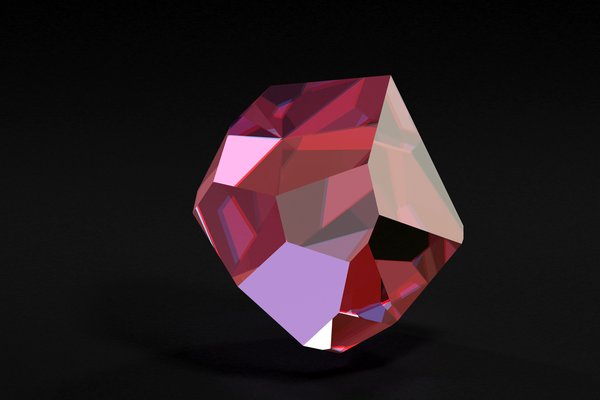 When it comes to choosing the perfect gemstone for your jewelry, there are many factors to consider.Two popular options that often come up in the conversation are morganite and cubic zirconia.In this article, we will explore the differences between these two gemstones and help you determine which is the better choice for you.
What is Morganite?
Morganite is a type of gemstone that belongs to the beryl family, which also includes emerald and aquamarine.
Revered as birthstones for the months of March and May respectively, aquamarine and emerald captivate with their distinct colors and unique properties.
One striking feature that sets these gemstones apart from one another is their color variation, which is directly influenced by the impurities found in their crystal structures.
Aquamarine, with its pale blue hues, owes its coloration to the presence of iron impurities.
On the other hand, emerald, renowned for its rich green tones, derives its captivating color from the presence of chromium and other trace elements.
Morganite is not a variety of moissanite: they are different stones that can get confused. They are both diamond simulants like white sapphire or white topaz but have different crystal structures.
Check our post Morganite vs Moissanite and Cubic Zirconia vs White Topaz for more.
It is known for its delicate pink or peach color, which makes it a popular choice for engagement rings and other jewelry pieces.
It has a hardness of 7.5 to 8 on the Mohs scale, making it quite durable and suitable for everyday wear.
The Mohs scale is a system that measures the relative hardness of minerals, with 1 being the softest (talc) and 10 being the hardest (diamond).
A hardness about 7.5 means that morganite is relatively hard and durable compared to other gemstones commonly used in jewelry.
For example, quartz has a hardness of 7, while emerald (also a type of beryl) has a hardness of 7.5 to 8.
With its hardness level, morganite is considered suitable for everyday wear. It can withstand the usual wear and tear that comes with regular use, such as activities like typing, cooking, or cleaning.
However, it is important to note that even with its durability, morganite can still be scratched or damaged if subjected to significant force or impact.
To maintain the beauty and longevity of morganite jewelry, it is recommended to avoid exposing it to harsh chemicals, extreme temperatures, or abrasive materials. Regular cleaning and gentle care are also important to keep it looking its best.
What is Cubic Zirconia?
Cubic zirconia, composed of zirconium oxide crystals, has gained significant recognition as a diamond alternative.
It has a 8-8.5 on the Mohs scale. This level of hardness puts it close behind diamond’s 10 rating.
While it exists in nature, this colorless crystalline material is considered a rarity when found as a gemstone.
However, thanks to modern advancements, we now possess the ability to create cubic zirconia stones in controlled laboratory environments.
As a result, the vast majority of jewelry utilizing cubic zirconia incorporates these man-made gems.
With its flawless appearance and impressive durability, cubic zirconia offers a remarkable resemblance to natural diamonds.
Its brilliance and clarity make it a sought-after choice for individuals seeking a more affordable option without compromising on aesthetics.
Moreover, the synthetic nature of cubic zirconia ensures ethical sourcing, eliminating concerns related to mining practices or the exploitation of natural resources.
As technology continues to refine the production process, the quality of cubic zirconia stones consistently improves, making them even more indistinguishable from natural diamonds.
This intriguing gemstone alternative allows individuals to enjoy the allure and elegance of fine jewelry without straining their budgets or contributing to environmental concerns.
Cubic Zirconia and Morganite Side by Side
1. Cubic zirconia is harder than morganite
CZ stones are slightly harder than morganite.
They have 8-8.5 and 7.5-8 ratings on the Mohs scale, respectively.
While they both durable and hard gems, CZ stones have more scratch resistance than morganite.
2. Cubic zirconia is more brilliant than morganite
When comparing the appearance of Morganite and Cubic Zirconia, it is important to note that they have different characteristics.
Morganite has a soft, romantic hue that appeals to those who prefer a subtle and feminine pink tint.
On the other hand, Cubic Zirconia has a colorless appearance that resembles a real diamond. It can be difficult to tell the difference between the two unless you are an expert or have them side by side.
Morganite stones have refractive index around1.55.
This is significanly less than CZ’s 2.15.
And when we compare their brilliance cubic zirconia gems take the upper hand with more sparkle.
3. Morganite is generally more affordable than cubic zirconia
Morganite is considered to be a more affordable option compared to diamonds.
However, its rarity and popularity may affect the overall price of the gemstone.
Cubic Zirconia is lab grown and its production costs are controllable.
These stones are known for affordability and they often get picked as an alternative to diamonds due to its lower price point.
Thus, Cubic Zirconia is generally the more budget-friendly option.