
We are an affiliate
We hope you love the featured products! Just so you know, we may collect a share of sales or other compensation from the links on this page, at no extra cost for the buyer. Thank you if you use our links, we really appreciate it!
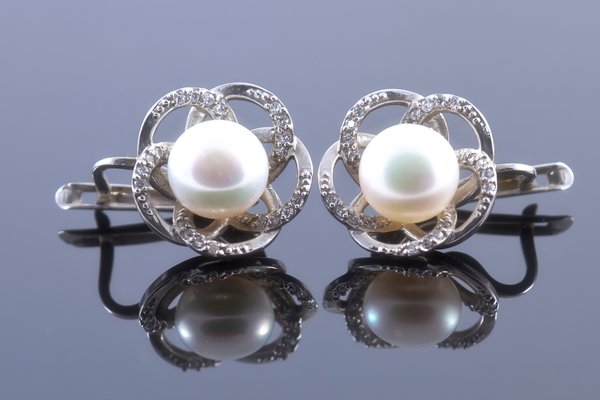 Sterling silver is a popular choice for jewelry, including earrings, due to its durability and beauty.
But if you have a nickel allergy, you may be wondering if sterling silver earrings are safe to wear.
In this article, we’ll explore the relationship between sterling silver and nickel, and whether or not sterling silver earrings are nickel-free.
What is Sterling Silver?
Sterling silver is a highly valued and sought-after metal often used in the creation of jewelry, cutlery, and decorative items.
Composed of 92.5% pure silver and 7.5% of other metals, usually copper, sterling silver combines beauty and durability.
This composition enhances the strength and hardness of the metal, making it suitable for everyday wear and practical use.
One of the reasons for sterling silver’s popularity is its stunning luster and timeless elegance.
Its bright and reflective surface easily captures and reflects light, producing a captivating glow that complements any attire or setting.
Furthermore, sterling silver is remarkably versatile and lends itself to various artistic designs, from delicate and intricate patterns to bold, contemporary creations.
Its malleability allows artisans to mold it into intricate forms and carve intricate details, making it a favorite choice among jewelry designers.
What is Nickel? Why is it Important in Jewelry?
Nickel is a versatile metal widely used in various industries, and its importance in the field of jewelry cannot be understated.
It is commonly used in the production of various alloys.
It is known for its strength, resistance to corrosion, and ability to enhance the properties of other metals.
As a durable and resilient material, nickel adds a remarkable level of strength and longevity to jewelry pieces.
With its ability to withstand everyday wear and tear, it ensures that cherished jewelry items retain their beauty and elegance for years to come.
One of the primary reasons why nickel is valued in the jewelry industry is its captivating white color.
This lustrous and brilliant hue effortlessly complements a wide range of gemstones, allowing them to shine brighter and appear more vibrant.
The natural shine of nickel enhances the overall visual appeal of jewelry, making it a popular choice for creating intricate designs and exquisite patterns.
When used as an alloy with other precious metals, nickel’s pristine white color contributes to the allure and sophistication of jewelry pieces.
Moreover, nickel’s remarkable luster elevates jewelry creation.
The reflective quality of this metal enhances the brilliance and sparkle of gemstones, adding to their allure and making them appear even more enticing.
Its ability to catch and reflect light adds an element of enchantment to any piece of jewelry, captivating the onlooker’s attention and creating a mesmerizing effect.
With nickel’s luster, jewelry pieces become not just accessories but statements of elegance and refinement.
However, nickel is also a known allergen, and many people have a nickel allergy, which can cause skin irritation and allergic reactions.
What is Nickel Allergy? How Often is it Seen?
Nickel allergy refers to an allergic reaction that occurs when an individual’s immune system identifies nickel as a harmful substance.
Nickel, a commonly found metal, is used in a wide range of everyday items such as jewelry, clothing fasteners, and even certain foods.
This type of allergy is quite prevalent, affecting a substantial number of individuals in the US population.
According to Cleveland Clinic, about 10% of the people in the US is affected by nickel allergy at some level.
People with a nickel allergy experience a variety of symptoms when they come into contact with this metal.
These symptoms can range from mild to severe and often include redness, itching, swelling, and even the formation of blisters at the site of contact.
In severe cases, a systemic reaction may occur, leading to symptoms such as nausea, headache, and difficulty breathing.
Given the prevalence of nickel in various consumer products, it can be challenging for individuals with sensitive skin to avoid exposure.
Despite there is no cure for nickel allergy, there are certain measures they can take to minimize the risk of an allergic reaction.
Start with choosing hypoallergenic jewelry made from materials such as stainless steel, titanium, or even gold can reduce the likelihood of triggering a negative response.
Does Sterling Silver Contain Nickel?
Sterling silver does not naturally contain nickel.
However, the 7.5% base metal part in sterling silver may include a small amount of nickel.
This means that some sterling silver earrings may have trace amounts of nickel, which can potentially cause an allergic reaction in individuals with nickel allergies.
If you have hypersensitivity to nickel, always ask your seller for nickel-free sterling silver jewelry.
Do Silver Plated Earrings Contain Nickel?
Silver plated earrings, on the other hand, are made by coating a base metal with a thin layer of silver.
The base metal used in silver plated earrings can vary, but nickel is commonly used.
This means that silver plated earrings are more likely to contain nickel than sterling silver earrings.
What is “Hypoallergenic”?
The term “hypoallergenic” refers to products that are less likely to cause an allergic reaction.
In the context of jewelry, hypoallergenic metals are those that are less likely to cause skin irritation or allergic reactions, making them suitable for individuals with sensitive skin or allergies.
What is “Nickel-Free”?
“Nickel-free” refers to products that do not contain any amount of nickel.
These products are considered safe for individuals with nickel allergies.
Nickel-free jewelry is less likely to cause allergic reactions or skin irritation.
What Are Naturally Nickel-Free Metals?
Platinum
Platinum is a precious metal that is naturally nickel-free.
It is known for its durability, lustrous appearance, and hypoallergenic properties.
Platinum jewelry is a popular choice for individuals with nickel allergies.
Palladium
Palladium is another naturally nickel-free metal that is often used in jewelry.
It is a rare and lustrous metal that shares similar properties with platinum.
Palladium jewelry is a great alternative for individuals with nickel allergies.
Titanium
Titanium is a lightweight and strong metal that is naturally nickel-free.
It is hypoallergenic and resistant to corrosion, making it an excellent choice for individuals with sensitive skin or nickel allergies.
Is Surgical Stainless Steel Hypoallergenic?
Surgical stainless steel is a common material used in jewelry, including earrings.
It is an alloy that contains chromium, which forms a protective layer on the surface of the metal, making it resistant to corrosion and less likely to cause irritation or allergic reactions.
However, it does contain a small amount of nickel, yet it is entrapped in the core.
Surgical steel like 316L type stainless steel is used to make surgery equipment.
Thus, it is considered safe for human tissue.
And, it is a good choice for those who have sensitive skin.
The Verdict: Should You Buy Sterling Silver Earrings?
In conclusion, while sterling silver does not naturally contain nickel, some sterling silver earrings may have trace amounts of nickel due to the base metal used in the alloy.
If you have a nickel allergy, it is best to look for earrings that are specifically labeled as nickel-free or made from naturally nickel-free metals such as platinum, palladium, or titanium.
These options will help ensure that you can wear earrings without experiencing any allergic reactions or skin irritation.