
We are an affiliate
We hope you love the featured products! Just so you know, we may collect a share of sales or other compensation from the links on this page, at no extra cost for the buyer. Thank you if you use our links, we really appreciate it!
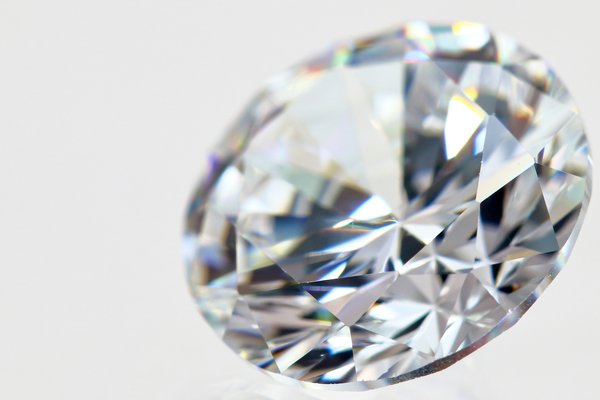 Cubic zirconia is expected to remain shiny for about 3 to 5 years.
Through daily use, it will accumulate scratches and become slightly hazy.
While it may not be as durable as a diamond, with adequate care, it can preserve its elegance for many years.
What is Cubic Zirconia?
Cubic zirconia possesses a crystal structure comprising zirconium dioxide, whereas diamond is formed by carbon atoms.
Despite its rarity in nature, scientists have developed successful laboratory techniques for synthesizing cubic zirconia.
As a result, we can now produce flawless cubic zirconia gemstones with absolute precision, ensuring they are completely free from imperfections or impurities.
Due to its comparable appearance, cubic zirconia is often utilized as a diamond substitute in jewelry.
However, a notable disparity between these two gemstones lies in their hardness.
Does Cubic Zirconia Get Cloudy?
One common concern about cubic zirconia is whether it gets cloudy over time.
While CZ stones are hard and durable, they gather scratches with everyday wear.
Clashes with harder objects may lead to small or big physical damages.
Encounters with chemical agents like shampoos, cosmetics and cleaning products will slowly trigger dents, cracks and optic degeneration.
The accumulation of these physical effects will lead to CZ stones to get cloudy.
Can Cubic Zirconia Cut Glass?
Harder objects can scratch softer items.
As it has a 8-8.5 rating on the Mohs scale, cubic zirconia can scratch glass which has about a 5.5 rating.
CZ stones are more scratch-resistant than glass pieces and more prone to scratches than diamond, the top place holding gem with a 10 rating.
Can Cubic Zirconia Get Wet?
Cubic zirconia is not affected by water, so it can get wet without any issues.
While water is not a direct threat, other molecules it carries might.
Prolonged exposure to chemicals or harsh cleaning agents may damage the metal settings of CZ jewelry.
Similarly, it is better to refrain from taking shower with your cubic zirconia jewelry, where shampoos and hair conditioners can accumulate and cause haziness, if not damage your piece.
Can Cubic Zirconia Take Heat?
It is best to avoid exposing your CZ jewelry to high heat sources, such as hot water or direct sunlight.
Additionally, be cautious when using hair styling tools or cooking near your CZ jewelry.
Excessive heat can be even more dangerous if the stone has cracks as it can lead to disintegration of the gemstone.
Moreover, heat can cause the gem settings to expand and the stones to become loose.
How to Care for Cubic Zirconia Jewelry
Cleaning Tips
With daily wear and tear, all jewelry will gather dirt and dust that take away luster.
Thankfully, you can easily restore the bling back into your jewelry with little work.
Regularly clean your cubic zirconia stone jewelry using mild soap and warm water.
Gently scrub with a soft brush, rinse thoroughly, and dry with a clean cloth.
Avoid using harsh chemicals and abrasives.
Ultrasonic cleaners can also damage gem jewelry, especially if the stone’s integrity has defects like inclusions and cracks.
Storage Tips
When not wearing your CZ jewelry, store it in safe, cool place with no airflow.
Investing in a jewelry box according your needs will pay you back big time.
You can place your pieces in soft pouches or ziplock bags to insulate from the surrounding air.
Never throw your pieces in a drawer where there will eventually clash and scratch.
Put them separate compartments to prevent friction and scratching.
Avoid storing soft and gentle items like opal, seashell items with other jewelry pieces that can potentially damage them.
Harder metals like tungsten carbide or gems like diamond can scratch cubic zirconia. Never put them in the same compartment.
Other Diamond Simulants
CZ is just one of many diamond substitutes we can see in the market.
Zircon, moissanite and white topaz are 3 worthy choices.
1. Zircon
First, despite the name similarity, zircon is not cubic zirconia.
It is a gold hued gem made of zirconium silicate where as CZ is a crystalline form of zirconium dioxide.
Zircon is a natural gemstone that closely resembles a diamond.
It has good brilliance and fire, but it is softer and less durable than cubic zirconia.
It has a 7.5 hardeness rating on the Mohs scale, below diamond and CZ.
2. Moissanite
Moissanite is a popular alternative to diamond that everyone should consider.
It is hard like diamond and it outperforms in colorful patterns it produce.
Moissanite is famous for its fire that not even diamond possesses.
Its high level of brilliance and durability, makes a great choice for engagement rings.
3. White Topaz
White topaz is a lustrous gemstone that has been admired and cherished for centuries due to its captivating beauty and versatility.
This exquisite gem belongs to the family of topaz, renowned for its brilliance and hardness.
Check this post title Cubic Zirconia vs White Topaz for a side by side comparison.
White topaz, also known as clear topaz, is the colorless variety of this gemstone and is highly regarded for its pristine and transparent appearance.
With its neutral color and brilliant shine, it serves as an excellent alternative to diamonds.
As a highly durable gemstone, white topaz is perfect for daily wear and can easily withstand the rigors of everyday life.
Whether adorning a piece of jewelry or as a standalone gemstone, white topaz effortlessly adds elegance and sophistication to any ensemble.